The Biggest Little Town Builds Something Lasting
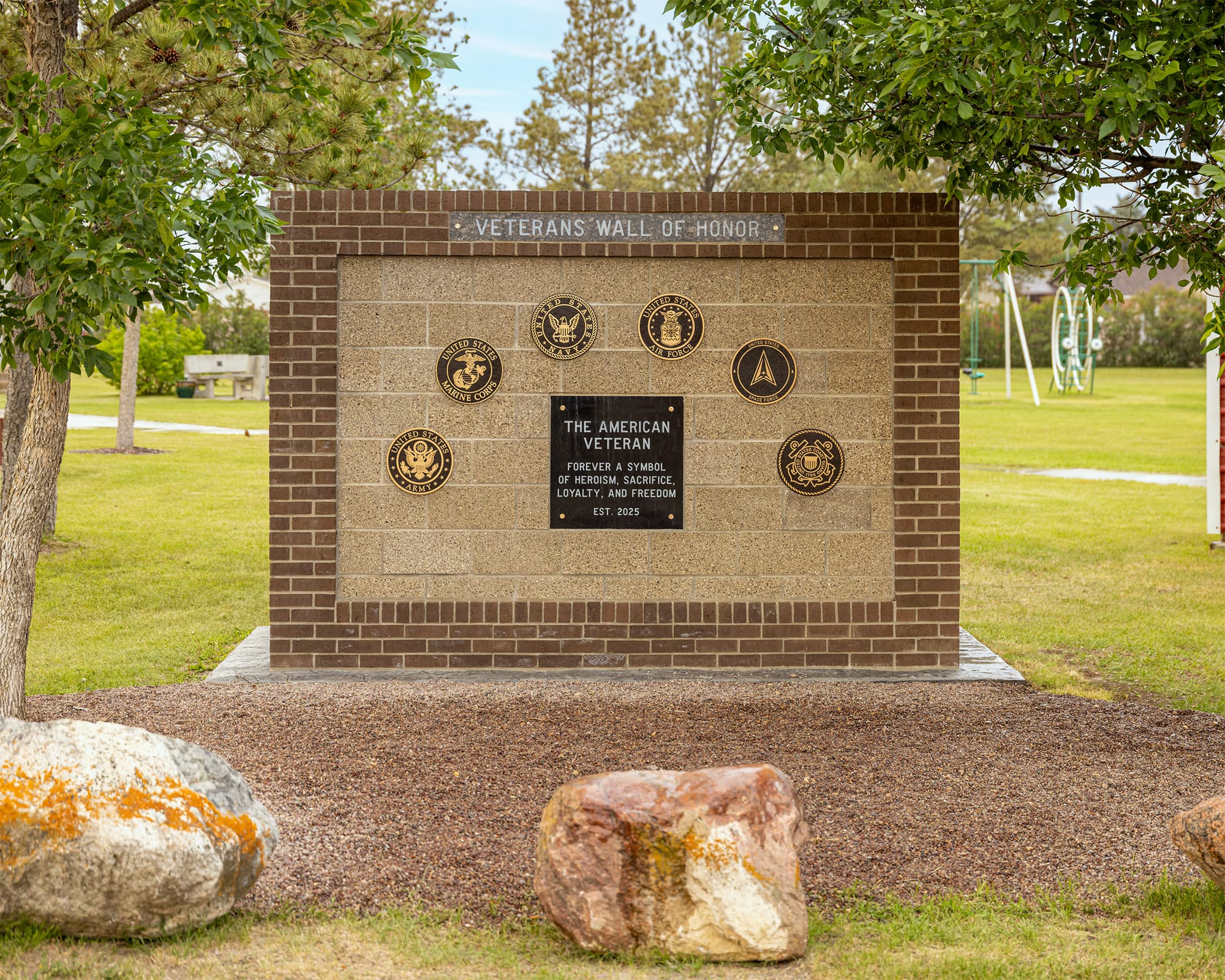
In Joplin, a 55-year story of weeds, wind and community pride reaches a new milestone with the dedication of a Veterans Wall of Honor. It started with a troop of unruly boys and a field full of weeds.
Fifty-five years ago, Priscilla Pimley, a Scout leader looking for a way to burn off her boys' excess energy and teach them to work for the good of the town, marched them over to an empty lot in the center of Joplin and put them to work pulling weeds. She didn't know it then, but she was planting the first seed of what would become the heart of her community.
This past Saturday, under sunny blue skies on a near-perfect summer day, Pimley and her lifelong friend Dorothy Burnham stood in that same spot and watched a final dream come true. During the 25th annual Art in the Park celebration, the Joplin Memorial Park Board dedicated a new Veterans Wall of Honor, completing a vision they had carried for decades. "That's the last thing Dorothy and I wanted was a veterans wall," Pimley said. "And that's for living or dead, and they don't have to be local. Any veteran."
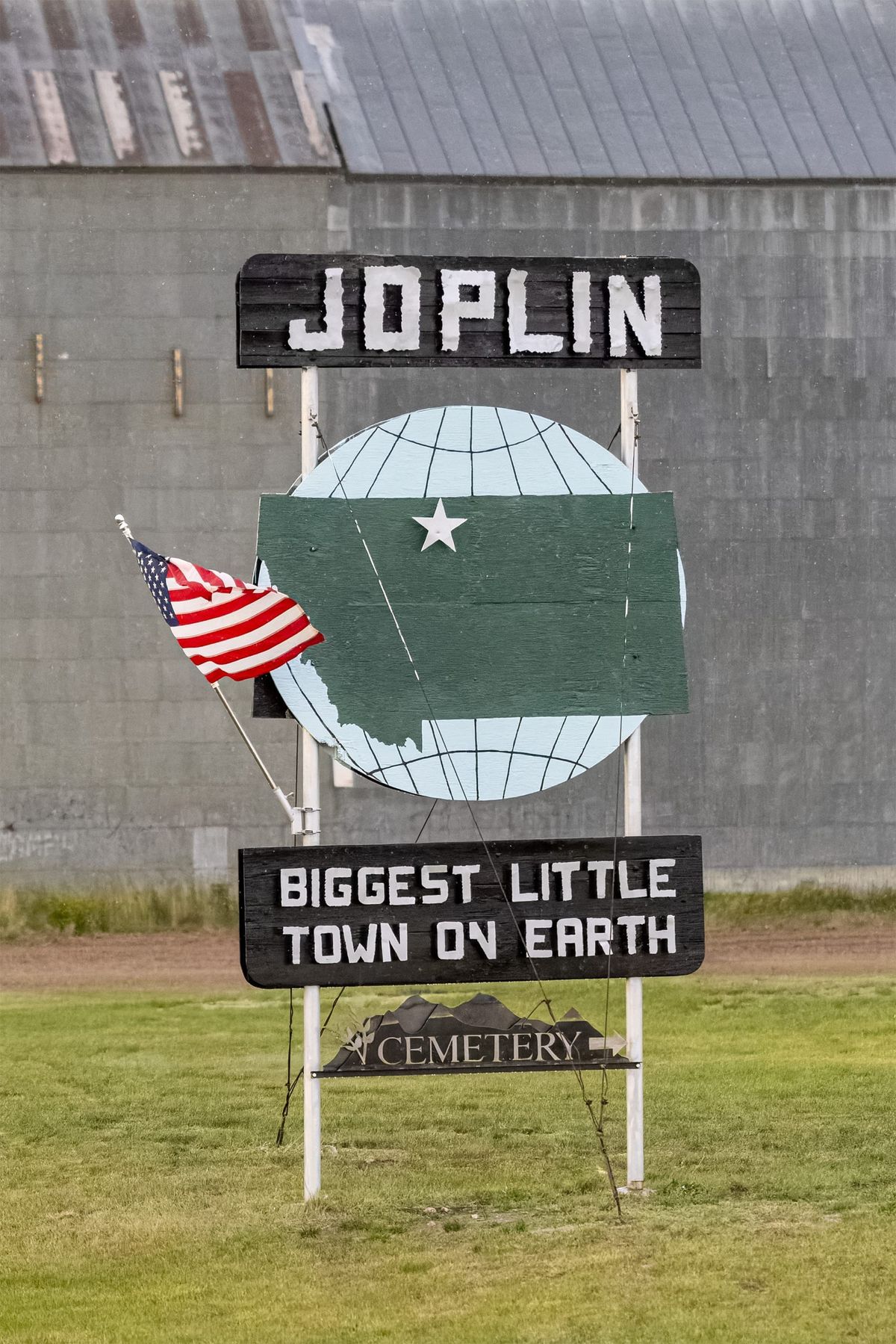
The park's story is, at its core, the story of Joplin itself, a place its residents proudly call "the biggest little town on earth."
Pimley's mother had told her about a bandstand that once stood in that empty field, where the town's young people gathered for community dances generations ago. That image sparked a dream. Pimley soon enlisted her close friend Burnham, and together with their husbands, Donald and Frank, and their friends Jack and Doris Nelson, the families set about transforming the city-block-sized lot into something the whole town could share.
They scraped together enough crested wheatgrass to seed the entire block. For shade and a windbreak, Burnham cut shoots from her own trees and lilac hedges, and the three couples planted them in milk jugs throughout the park. The Nelsons watered and nurtured those seedlings faithfully, day after day, into the mature trees that shade the park today. "The park would not exist without all the involvement and donations from the community over the years," Burnham said. She was quick to add that it never would have survived without the physical labor and leadership of Jack and Doris Nelson.
The work grew from there. Around 1973, the shop teacher at Joplin High School offered up himself and his classes to build the park's first structure. The community supplied the lumber, and the building went up that year. The next year, the group officially formed the park board after hosting a wildly successful "All Town Fun Day" complete with a "Women vs. the High School Boys" basketball game. That all town event raised more than $3,000.
That spirit of giving quickly spilled beyond the park's borders. When the Joplin Community Hall's roof fell into such disrepair that it could no longer be used, the park board voted to donate half its proceeds toward new roofing materials. The hall was saved, and it remains a hub of community life to this day. By 1975 or '76, after still more fundraising, the larger park structure with bathrooms, a meeting and dining area, and sliding doors to hold back the Hi-Line wind was built by the community, for the community. "It was community involvement and bake sales, lots and lots of brownies, that helped grow the park in those early days," Pimley said.
Two dreams remained after the buildings went up, both rooted in the park's earliest inspiration. Remembering the old bandstand and the dances it once hosted, the board hoped one day to build a gazebo where music could again fill the park. And they dreamed of a memorial to honor the community's veterans.
The gazebo came first. In late 1998 or early 1999, with enough money finally in hand, Burnham and Pimley drove to the Bigfork area, found an Amish gazebo builder, and ordered the structure to their specifications. It was delivered and assembled soon after, and it stands today as a centerpiece of the park. Around the same time, an in-ground sprinkler system was installed. Both projects were funded entirely by local donations.
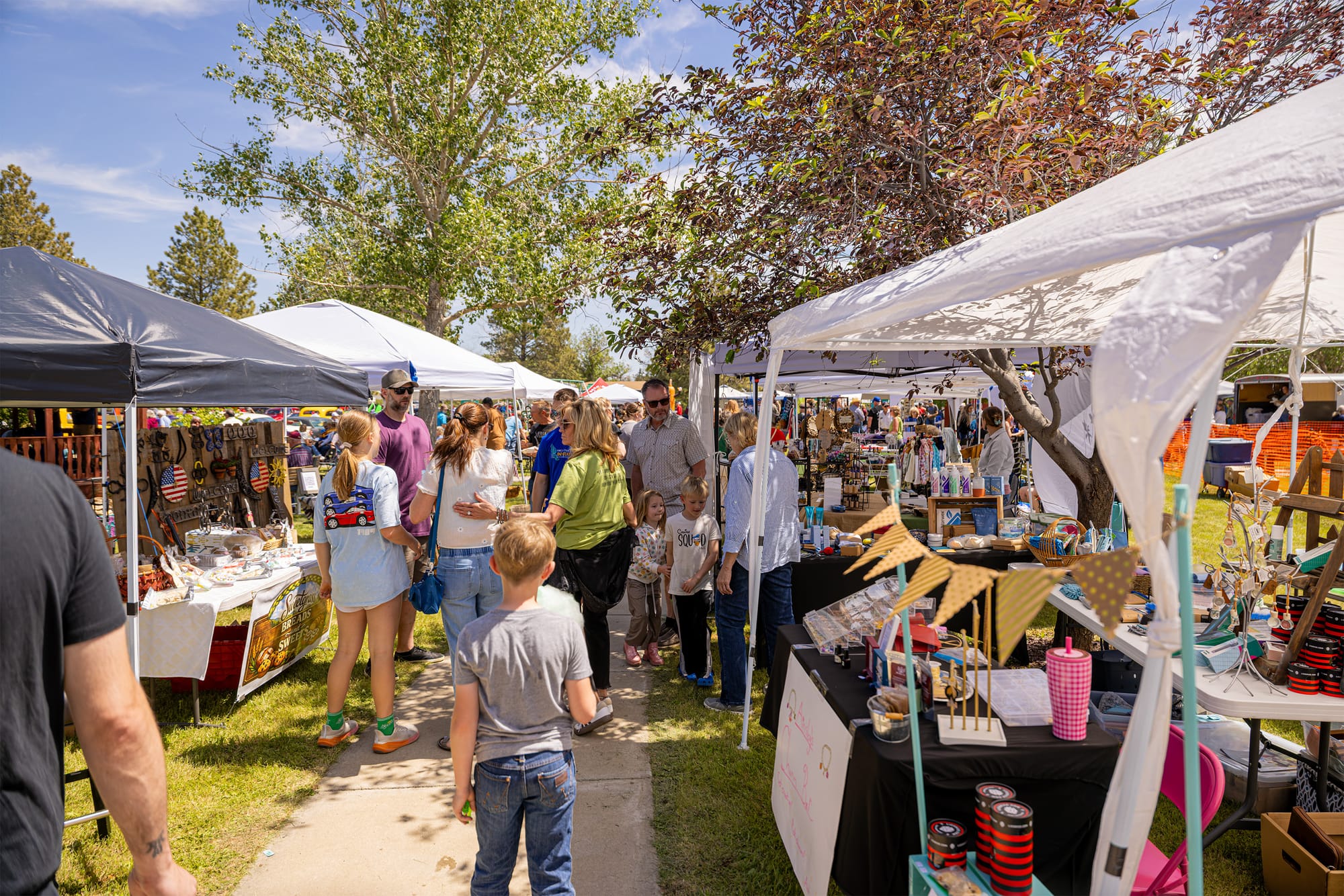
It was 25 years ago that the board launched the event that would become the town's signature gathering. To fund the very first Art in the Park, Pimley and Burnham drove up and down the Hi-Line collecting items to auction off. Many of those early donations came from businesses in Havre, a connection that helped get the celebration off the ground. With renowned auctioneer Leroy Wolery running the sale, they raised enough to turn Art in the Park into an annual tradition that is still going strong a quarter-century later.
In those early years, the focus was squarely on art. Painters worked in the park all day for the patrons, and a wide variety of artwork filled the grounds. The cars came later. The Joplin Car Show began the year after Art in the Park and is now in its 24th year, growing into what has become the weekend's biggest draw.
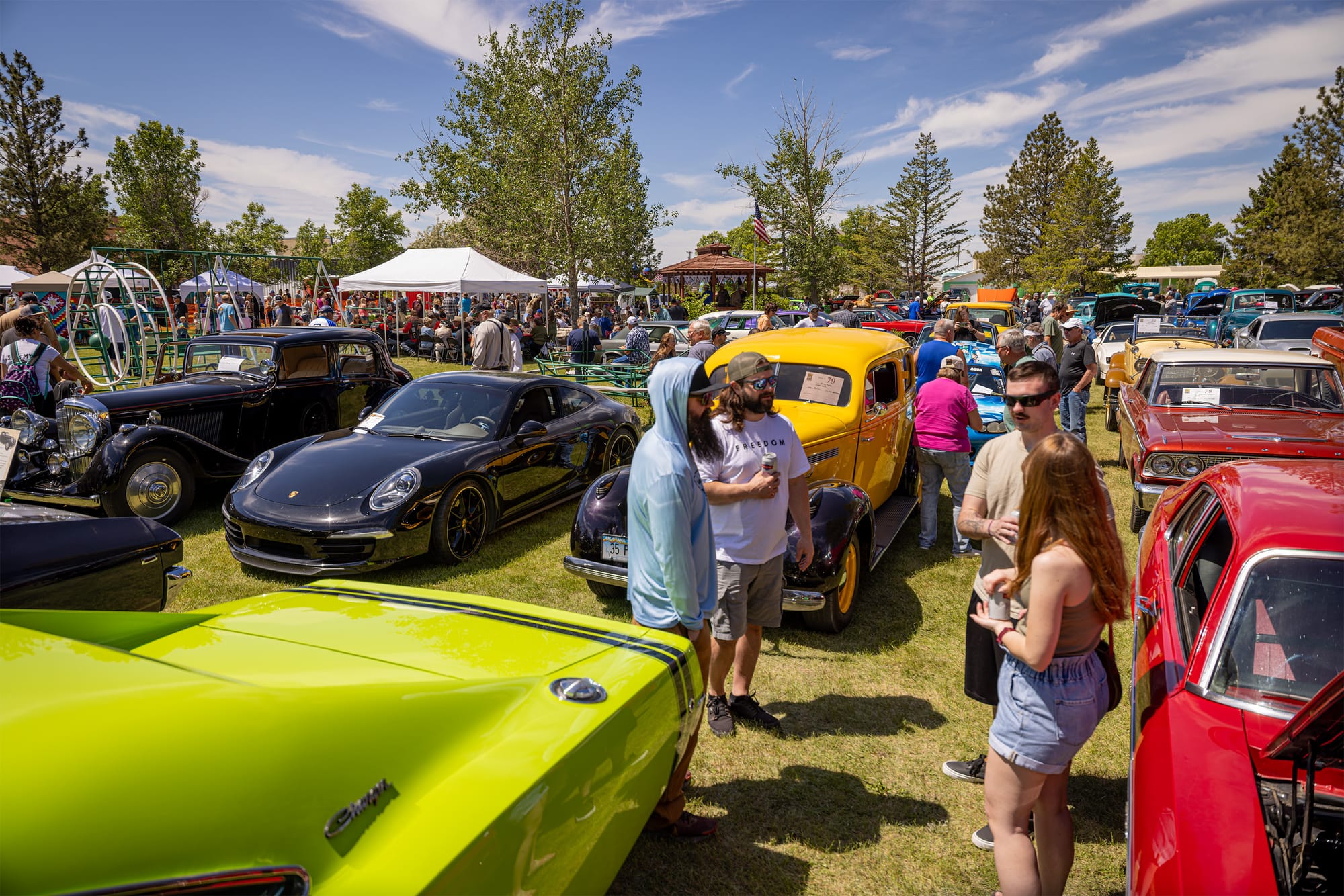
"This is our big event of the year," said Tina Wood, a member of the car show committee. "This is the event in Joplin." This year's show featured about 80 cars, with participants coming from a 100-mile radius across the Hi-Line and as far away as Alberta.
Around 2012, after 41 years at the helm of the park board, Pimley stepped down due to health reasons, turning the reins over to a new generation. Burnham retired around the same time. But one dream still went unfulfilled, the veteran’s memorial, and the board never let it go.
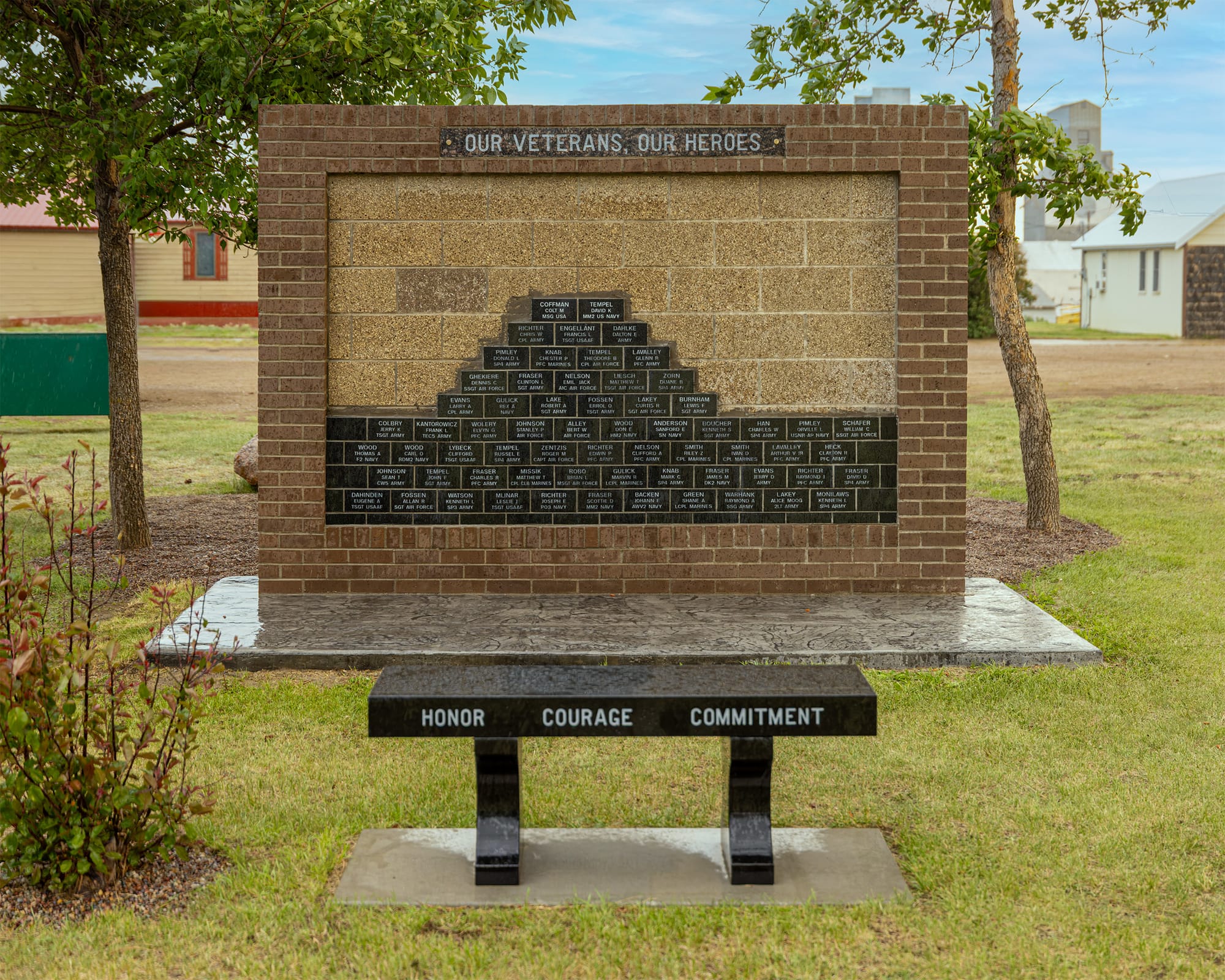
That dream became reality this spring, built the same way everything in the park has always been built, together. Rather than relying on a single major donor, community members contributed materials, time and financial support. Sixty-four commemorative tiles were sold before the wall was even completed, helping fund the project and giving families a permanent way to honor those who served. There is room for about 90 tiles in all.
Jada Fraser, a member of the Joplin Memorial Park Board, took up the cause to see it finished. "This was one of their goals, and they didn't get it accomplished," Fraser said of the previous board. "And I was like, I'm going to get it accomplished because I think it's important."
For Fraser, the wall is personal. Both of her grandfathers and her father are honored on it, near the gazebo her own family helped bring to the park. But like the rest of the park, the memorial belongs to everyone. The tiles honor veterans living and deceased, and they are not limited to Joplin, Liberty County, or even Montana.
"We just want the veterans to be honored because what they've done is so important and so special," Fraser said.
For Pimley and Burnham, watching the wall's dedication this weekend closed a circle that began 55 years ago in a weed-filled lot. It was, Pimley said, one of the last additions she and Burnham had hoped to see in the park they spent their lives building.
The board hopes to eventually fill every available tile, preserving the names and legacies of veterans connected to families throughout the region. Anyone interested in purchasing one can contact the Joplin Memorial Park Board.
What stands in Joplin today, the trees, the gazebo, the buildings, and now the Veterans Wall of Honor, is more than a park. It is proof of what neighbors can build when they decide, together, that something matters. Two women had the dream and pulled the first weeds. The biggest little town on earth did the rest.